Diesel diagnostics
Warning lights get instruments, not guesses. We test starting, fuel, and air paths at the truck and explain the findings before anything gets billed.
Savannah moves more containers every year and the roads did not get the memo. Drayage traffic stacks up on the terminal approaches, I-16 hauls the boxes inland, and I-95 threads the whole coastal machine together. When equipment fails inside that flow, Savannah Mobile Truck And Trailer Repair brings the fix to the failure: the chassis yards, the staging lots, the distribution parks in Pooler and Garden City, or the shoulder that ended your morning.
Engines, air systems, chassis hardware, trailer faults, tires, and wiring, plus standing fleet care, all delivered at coastal Georgia's working pace, which is faster than the postcards suggest.
The territory follows the freight: the Garden City terminal approaches, the chassis and container yards strung along Highway 21 and 307, the Pooler-side distribution boom, and the interstates that drain it all inland. I-16 toward the upstate warehouses, I-95 running the coast, and the local docks that keep a historic port city fed and built.
Effingham and Bryan County round out the map as the warehouses march inland. New parks open faster than maps update out there, so we navigate by park names and gate calls, and the windows stay honest anyway.
The chassis pools deserve a line of their own: shared equipment means inherited problems, and the pre-pull check that catches a dead light run or a soft tire saves the whole day that a gate rejection costs. We do those checks at the yards, quick and standing, for the operators who have done the math.
Drayage geography rules the day: gate hours, queue positions, and the running puzzle of where a wrench can legally park within reach of a terminal. We solve that puzzle daily and it shows in the windows we quote.
The failure, the spot with gate detail, the cargo, the mobility. Back comes the likely cause, the fix-here-or-bay judgment, and a window quoted against port traffic reality. If a vessel cutoff or appointment is burning, lead with it and the triage bends accordingly.
Summer adds heat questions and storm season adds radar ones. Coastal Georgia logistics runs on both calendars and so does the service truck's inventory.
Warning lights get instruments, not guesses. We test starting, fuel, and air paths at the truck and explain the findings before anything gets billed.
Boxes are heavy and brakes keep the receipts. Leak-downs traced, chambers and valves renewed, stroke brought back inside the card, all at the yard.
Lights, plugs, air, landing gear, doors, and the set-wide sweeps that keep roadability checks boring.
Corrosion found and cut out, circuits proven end to end, and every splice weatherproofed for the marine air that caused it.
Container-weight rubber gets swapped or patched right in the yard, with Georgia-summer pressure margins and both duals checked as the pair they are.
Yard rounds on your gate calendar, storm-season prep included, records kept per unit.
Port fleets get what container work demands: roadability-minded yard sweeps, chassis treated as sets rather than single complaints, and written unit records that survive audits. The distribution fleets filling Pooler's new warehouses get maintenance calendars matched to their shipping waves. Independents hauling boxes get the same standards, minus the paperwork.
Everything closes with a verdict a dispatcher can use, because gate slots do not wait for maybes.
Location detail first, always:
The approaches, staging areas, and nearby yards, daily. Inside secure zones follows each facility's vendor rules, which we navigate as part of the job. Name the gate and the choreography is already familiar.
Lights, air, and tires cover most failures and most fix in one staging-area visit. We sweep the rest of the set while there, because a chassis that bounces twice costs everyone twice.
That side of the metro is a standing circuit. Park name and building number get you a window quoted from our truck's actual position.
Say it first and the triage hears it. Per-diem math is real money and the repair order bends toward the burning clock whenever the physics allow.
Pre-storm: close open repairs, prep fleets with storm roles, honest talk about what fits the window. Post-storm: triage by operational need, flooded-lot electrical work included. Get on the prep list early.
We range the corridor with honest distance quotes per call. Give the mile marker and you get a real answer or a real alternative, never a maybe.
The Pooler and Bryan County operations are exactly the customers standing maintenance was invented for: new equipment, hard schedules, and yards big enough to justify a scheduled sweep. One call sets up the rotation.
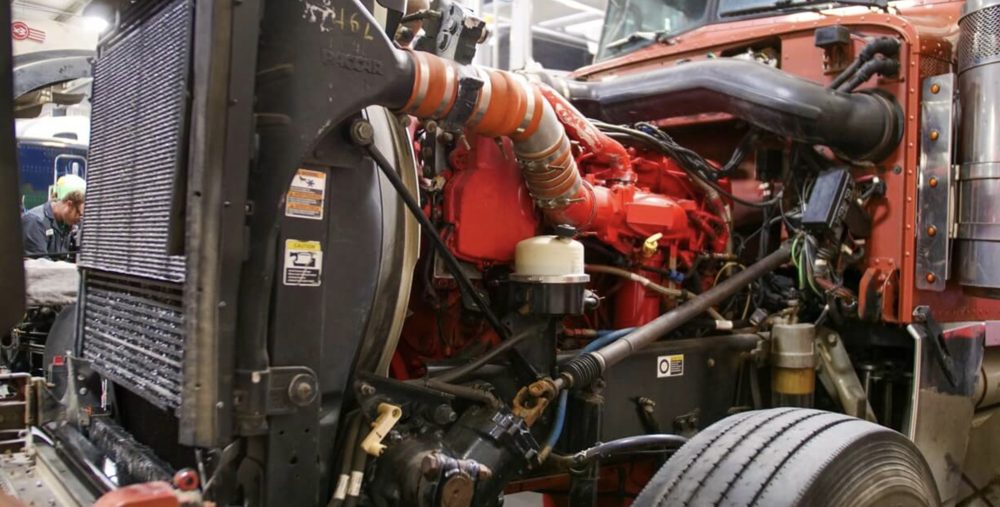
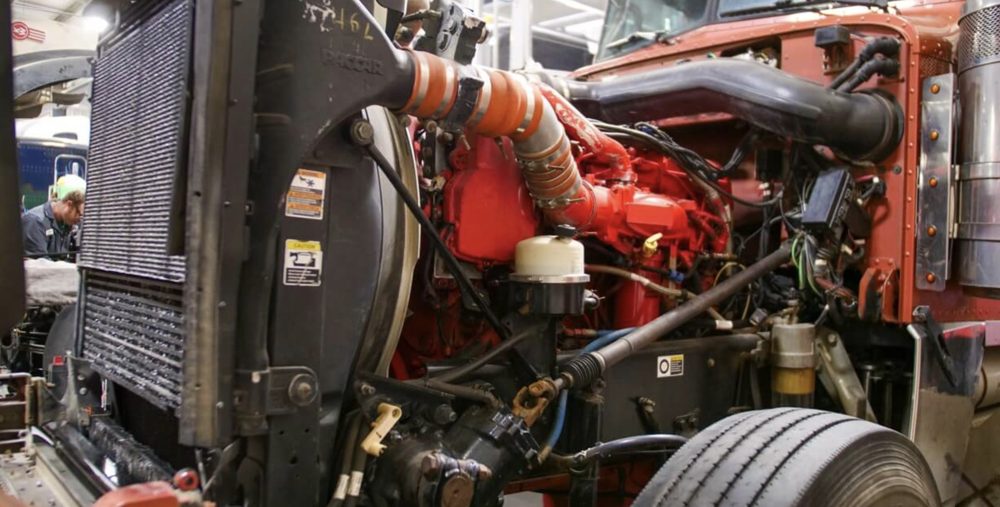
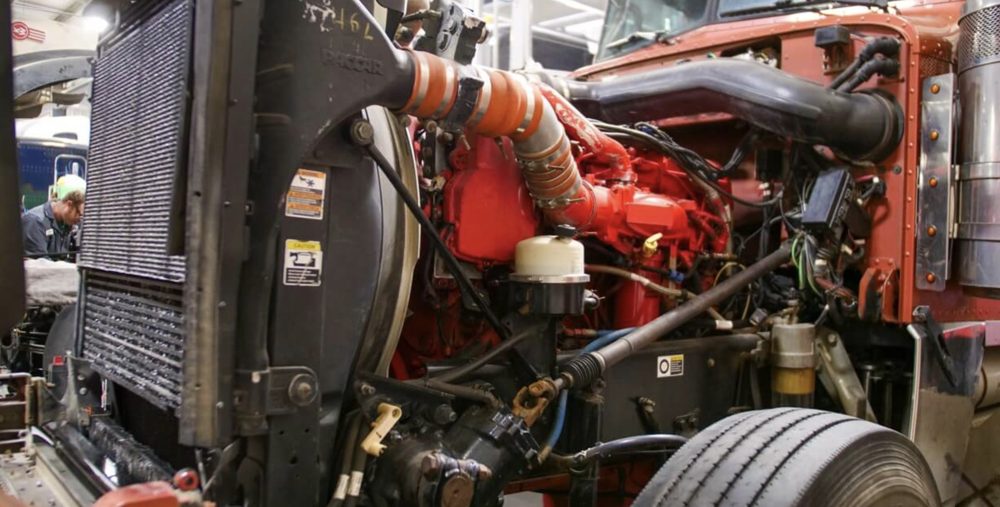
Coastal humidity and marine air run a continuous corrosion experiment on every connector in the county, which is why our electrical work starts at the pins and grounds. Container weight does its usual honest damage to tires, brakes, and chassis hardware, and the region's explosive warehouse growth keeps adding equipment faster than anyone adds bays. All three trends point the same direction: fix it at the truck.
Georgia heat does its quiet part as well, aging batteries and rubber on the accelerated coastal schedule. The summer stock leans accordingly, and the pre-summer fleet check earns its keep by August without fail.
Hurricane season is the fourth season here. Before a system, the calls are preparation and open-repair closeouts; after, they are recovery triage in operational order. We staff the whole arc because the port does.
The boxes do not stop at the terminal gates anymore: the upstate mega-warehouses pull them inland on I-16 in a river that runs day and night. Corridor breakdowns between here and Dublin get honest distance quotes and the same port-grade service, because the supply chain does not care which mile marker it stopped on. If your dispatcher runs that lane, this number belongs in the route notes.
Savannah's container volumes keep breaking their own records, and every new record adds equipment, drivers, and schedule pressure to the same roads. The maintenance infrastructure grows slower than the freight does. Mobile repair is the shock absorber: routine failures resolved in yards and staging lots, bay capacity preserved for genuine bay work, and the corridor's arithmetic kept survivable one fixed truck at a time.
Cold freight moves through this port in volume, and a failing trailer with produce aboard gets moved to the front of our line as policy. First question: load temp and how long it has been drifting. First move: protect the cargo, whether that means a dock door, a cross-dock, or the fastest fix physics allows. The trailer is replaceable by Tuesday. The load is not, and the triage order says so.
Vessel schedules set the tempo and the tempo ignores clocks, so night work is standard work here. The dispatch line answers at the hours the terminals keep, the triage holds its quality after dark, and the corridor traffic gets quieter even if the gates do not.
Tourists see the squares and the Spanish moss. Freight sees the fourth-busiest container gateway in the country wearing a very good disguise. We work for the second Savannah, at its docks and yards and 3 a.m. staging lots, keeping the equipment moving underneath the postcard. Both cities are real. Only one of them calls us, and it calls at every hour.
Gate or exit, failure, cargo, clock. Verdict, window, wheels turning. Coastal Georgia keeps it simple and so do we.